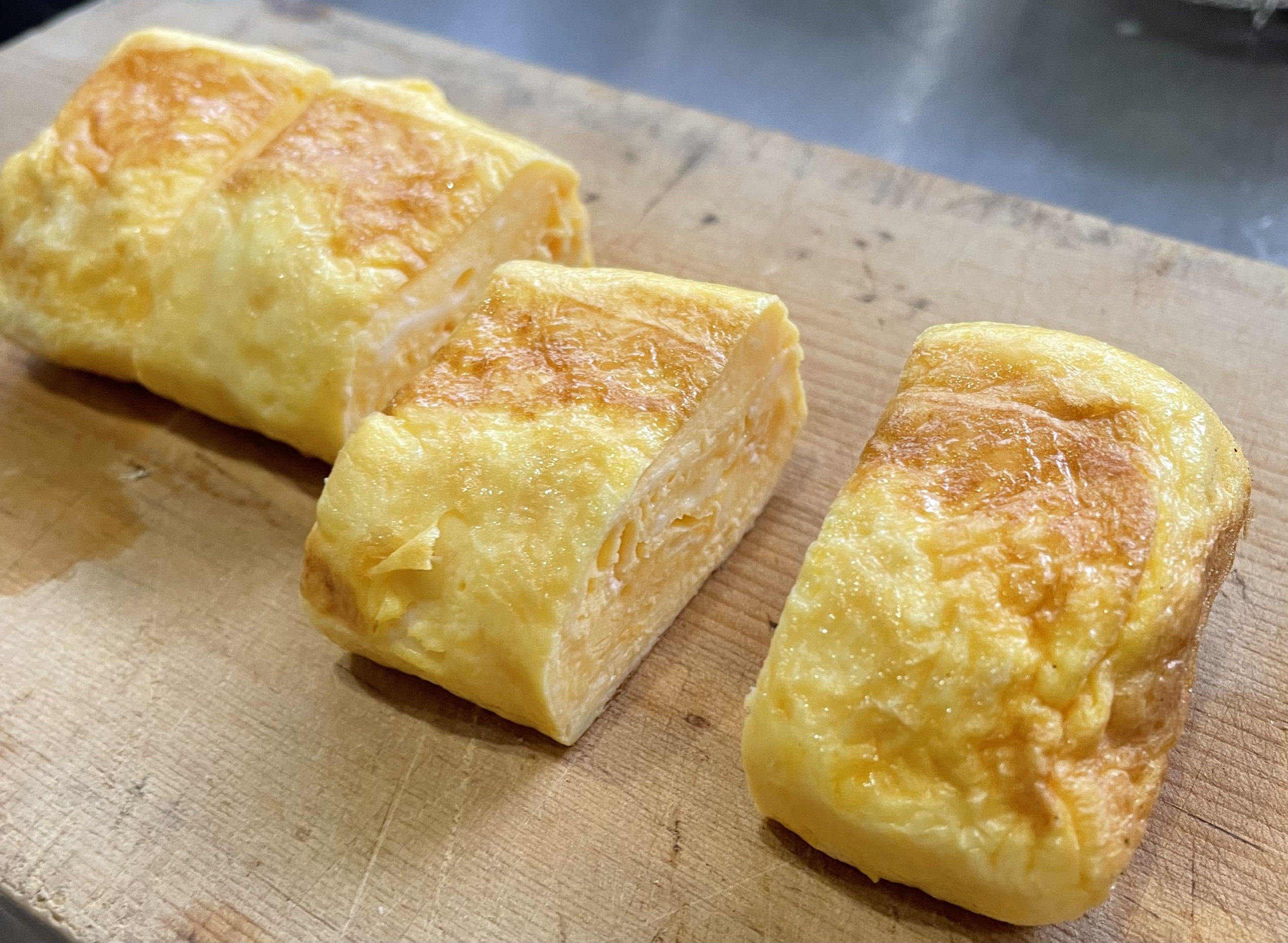
When it comes to Japanese cuisine, one dish that stands out for its simplicity and exquisite taste is none other than “tamagoyaki.”
Tamagoyaki, often referred to as Japanese rolled omelette, is a beloved culinary delight that you must try during your visit to Japan.
What kind of Japanese Food is Tamagoyaki?
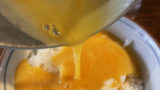
Tamagoyaki is made by whisking together eggs with a touch of soy sauce, sugar, and mirin (a sweet rice wine).
The mixture is then cooked in a rectangular pan called a makiyakinabe, specifically designed for tamagoyaki.
The resulting omelette is rolled into a cylindrical shape, creating distinct layers of tender and slightly sweet goodness.
The combination of umami from the soy sauce and the natural richness of eggs makes tamagoyaki a unique and flavorful dish.
The taste of tamagoyaki varies from region to region.
Sweet Flavor:
The sweet tamagoyaki is the more common style and appeals to a wide range of palates.
In this version, sugar and mirin (a sweet rice wine) are added to the beaten eggs.
The sweetness of the sugar blends harmoniously with the eggs, resulting in a soft and sweet flavor profile.
Sweet tamagoyaki is often enjoyed for breakfast or as a snack.
Savory Flavor:
On the other hand, savory tamagoyaki is a more sophisticated version catering to adult tastes.
Soy sauce or salt is used to give it a savory kick.
This addition adds depth of umami and a subtle saltiness to the omelette.
Savory tamagoyaki is commonly enjoyed during lunch or dinner and is known to stimulate the appetite.
The seasoning varies from household to household,
Eastern Japan is said to have a sweet taste, while Western Japan is said to have a savory taste.
Where to Find Tamagoyaki?
You can find tamagoyaki in various places throughout Japan.
It is a common item on breakfast menus in hotels, ryokans (traditional Japanese inns), and coffee shops.
Additionally, you can find tamagoyaki in bento boxes sold at train stations and convenience stores, making it a convenient snack or meal on the go.
Some restaurants even specialize in tamagoyaki, offering a variety of fillings such as cheese, crab, or vegetables, elevating the dish to new levels of deliciousness.
How to cook Japanese Rolled Omelette
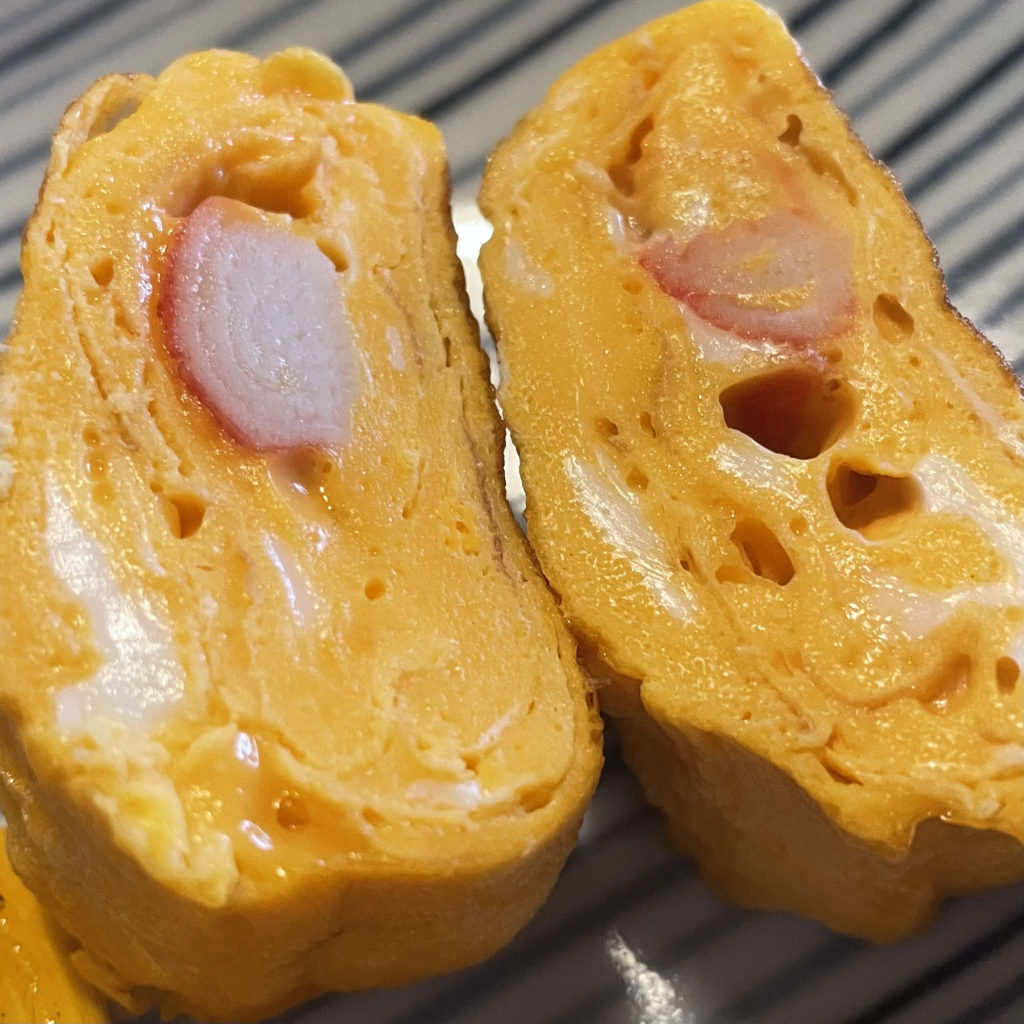
On another day, we rolled Kanikama together.
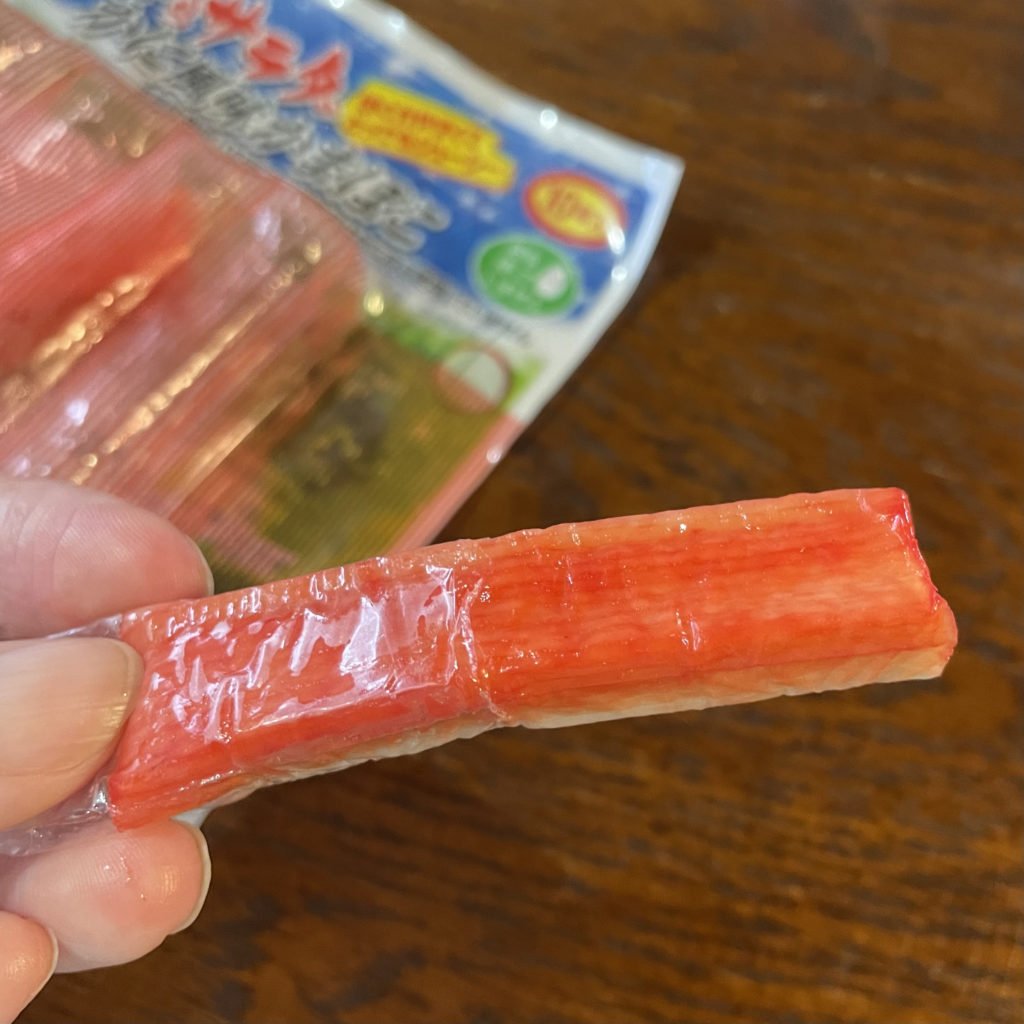
This is Kanikama. It looks like a crab, but it is made of white fish.
Comments